
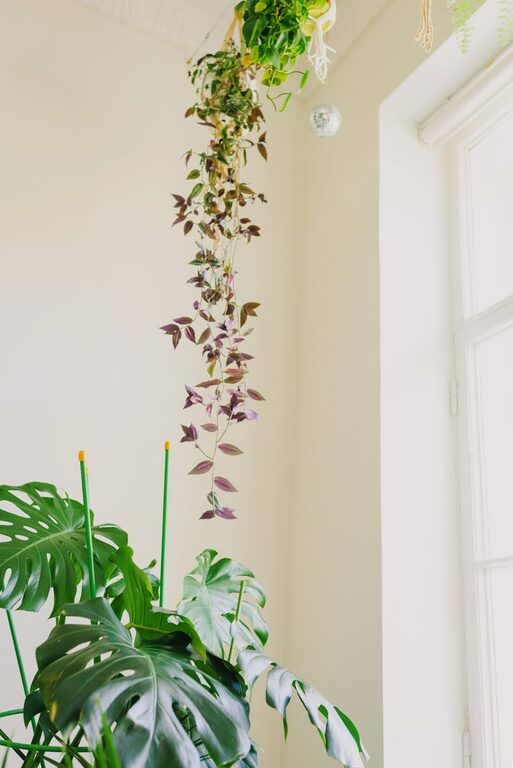
Bringing plants into your home is one of the easiest and most rewarding ways to refresh your living space. Not only do they add a touch of natural beauty, but plants also improve air quality and create a calming atmosphere. Whether you’re a seasoned plant enthusiast or just starting out, incorporating greenery into your home can brighten up any room.
In this post, we’ll explore how to choose the right plants, creative ways to display them, and tips to keep them healthy and thriving. Let’s get started on making your home greener and more inviting!
Why Add Plants to Your Home?
Before diving into practical tips, it’s helpful to understand the benefits of having plants inside your home:
– Aesthetic Appeal: Plants add color, texture, and life, transforming dull spaces into vibrant ones.
– Improved Air Quality: Many indoor plants help filter toxins and release oxygen.
– Stress Reduction: Being around plants can lower stress and improve mood.
– Increased Humidity: Some plants release moisture, which helps prevent dry skin and respiratory problems.
– Connection to Nature: Bringing nature indoors creates a peaceful environment that promotes relaxation.
Now that you know the perks, let’s explore how to refresh your home using plants.
Choosing the Right Plants for Your Space
Selecting suitable plants depends on factors such as light availability, your experience level, and maintenance preferences.
Assess Your Light Conditions
– Bright Light: South- or west-facing windows provide strong sunlight ideal for succulents, cacti, and herbs.
– Medium Light: East-facing windows or shaded south-facing windows suit spider plants, pothos, and snake plants.
– Low Light: North-facing windows or rooms with minimal natural light can still support plants like ZZ plants, philodendrons, and peace lilies.
Consider Your Commitment Level
– Low Maintenance: If you want easy plants, go for snake plants, succulents, or pothos, which can tolerate some neglect.
– Moderate Care: Ferns and many flowering plants require regular watering and attention but reward with lush foliage.
– High Maintenance: Orchids and bonsai need diligent care but offer unique beauty.
Match Plants to Room Purpose
– Living Room: Showy plants like fiddle leaf figs or rubber plants make great centerpieces.
– Kitchen: Herbs like basil and mint add freshness and can be used in cooking.
– Bathroom: Humidity-loving plants like ferns and air plants thrive here.
– Bedroom: Lavender or jasmine can promote relaxation and better sleep.
Creative Ways to Display Plants
Once you have your plants, consider how to showcase them beautifully in your home.
1. Use Stylish Pots and Containers
Choose pots that match your decor style, whether modern, rustic, or bohemian. You can mix textures and colors for visual interest. Consider ceramic, terracotta, or woven baskets as options.
2. Create Plant Groupings
Group several plants of different sizes and shapes together to build a mini indoor garden. This works well on shelves, windowsills, or tables.
3. Hang Plants
Use hanging planters or macramé holders to add greenery without taking up floor or table space. Hanging plants like ivy or string of pearls add a cascading effect.
4. Add Plant Stands and Shelves
Plant stands elevate plants and help fill empty corners. Floating shelves are perfect for small pots or trailing plants.
5. Use Terrariums or Glass Containers
For succulents and air plants, glass terrariums create an elegant display and can be customized with pebbles or sand.
6. Vertical Gardens
If space is limited, vertical gardens or wall-mounted planters can bring green to unused wall areas.
Tips for Maintaining Healthy Indoor Plants
Healthy plants are happy plants. Here are some straightforward care tips:
Watering
– Water plants according to their needs—overwatering is a common mistake.
– Check soil moisture before watering; some plants prefer drying out between waterings.
Lighting
– Rotate plants regularly to ensure even light exposure.
– Avoid placing plants in direct afternoon sun if they are sensitive.
Feeding
– Fertilize with a balanced indoor plant fertilizer during the growing season (spring and summer).
– Reduce feeding in winter when plant growth slows down.
Pruning and Cleaning
– Trim dead or yellowing leaves to encourage new growth.
– Wipe leaves occasionally to remove dust and improve photosynthesis.
Pest Management
– Regularly inspect plants for pests such as spider mites or aphids.
– Treat infestations promptly using safe, natural remedies like insecticidal soap.
Adding Seasonal Touches with Plants
You can refresh your home throughout the year by introducing seasonal plants and decorations:
– Spring: Bulbs like tulips and daffodils bring bright colors.
– Summer: Vibrant flowering plants like hibiscus or geraniums.
– Fall: Use pumpkins or dried wheat as accents beside autumn-colored foliage.
– Winter: Poinsettias or evergreen branches add festive cheer.
Final Thoughts
Refreshing your home with plants is a wonderful way to enhance your environment and connect with nature. Start small by choosing a few plants suited to your space and care style, then gradually build your indoor garden. By experimenting with different arrangements and displays, you can create a personalized, welcoming atmosphere.
Remember, plants are living companions that grow with your home—caring for them can be a relaxing and rewarding hobby. So take a deep breath, pick your favorites, and let the greenery transform your space today!